
Free to start · 24 styles · Print-ready stencils
AI Tattoo Generator
Describe it, pick a style, and take the result to your artist.
Gallery
Designs made with this generator


Tools
What else it can do


How it works
How to design a tattoo with AI in three steps

- 01
Describe your idea
Write what you want in plain language — the subject, the mood, any elements that matter. Specific beats poetic: “a wolf head with pine trees and a crescent moon” works better than “something about the wild”.
- 02
Pick a style and placement
Choose from 24 tattoo styles and 12 body placements. The style changes how it is drawn; the placement changes the composition and the size it is built for.
- 03
Generate, refine, export
One design per run by default, or ask for up to four at once. Keep going until one is right, preview it on your skin, then download it or export a print-ready stencil for your artist.
What is an AI tattoo generator?
An AI tattoo generator turns a written description into original tattoo artwork. You type what you have in mind — a wolf head with pine trees, your grandmother’s name in script, a koi fish wrapping your forearm — pick a style and a placement, and the generator draws several designs for you in about twenty seconds. Nothing is pulled from a stock library: every design is made for your description, so nobody else is walking around with the same piece.
It is a reference tool, not a replacement for a tattoo artist. The artist still adjusts the composition to your body, fixes line weight so it ages well, and executes it. What changes is that the conversation starts from your design instead of somebody else’s.
- Original artwork every time — nothing reused from a library
- Start from text, a photo, or a phrase you want lettered
- 24 styles and 12 placements, each with a real size range
- A batch of designs in about twenty seconds

24 styles, and the size it is actually drawn for
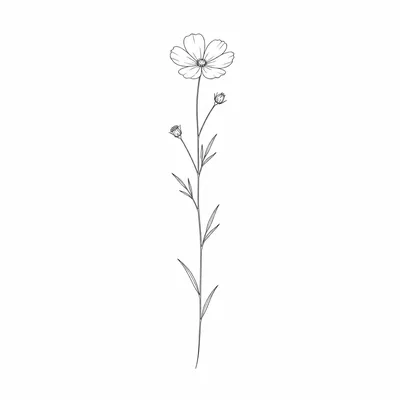
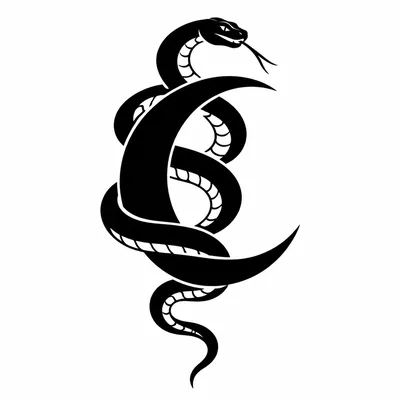
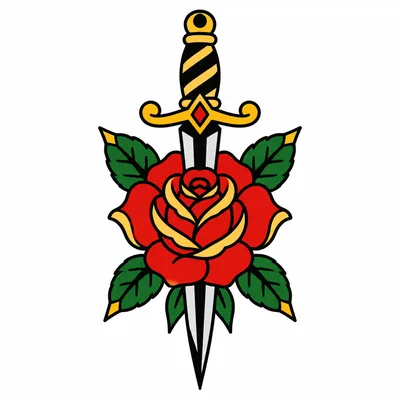
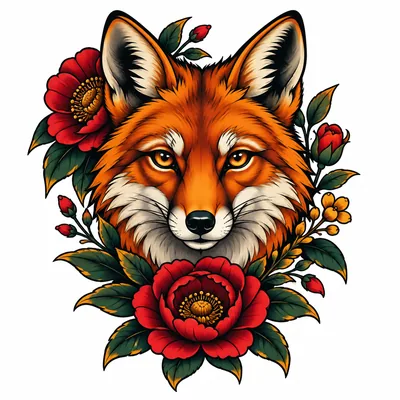
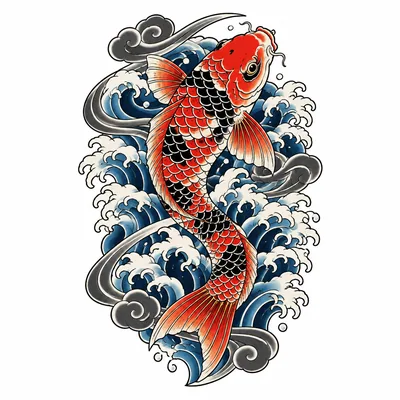
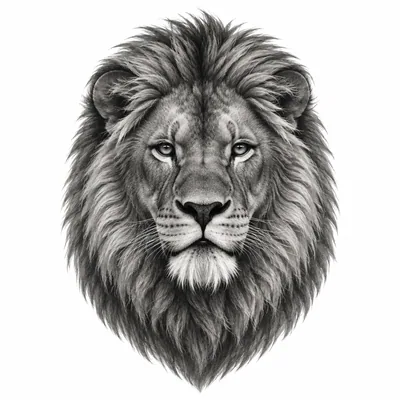
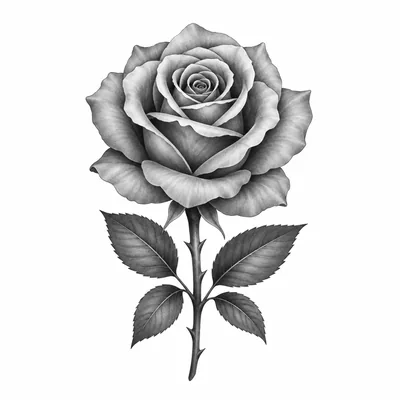
Pick a style and the same subject comes back genuinely different — not the same drawing with a filter on it. Fine line means even, thin, unshaded strokes. Blackwork means solid fills and real silhouettes. Traditional means bold even outlines and a flat palette. Each of the twenty-four carries its own rules for line weight, fill, and how much detail belongs in the composition.
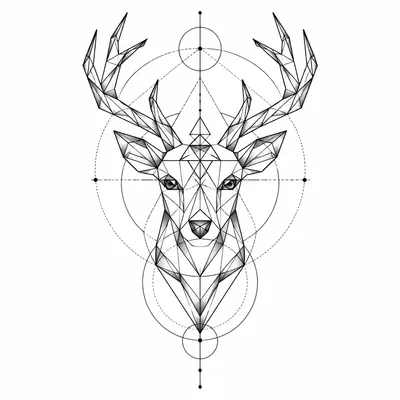
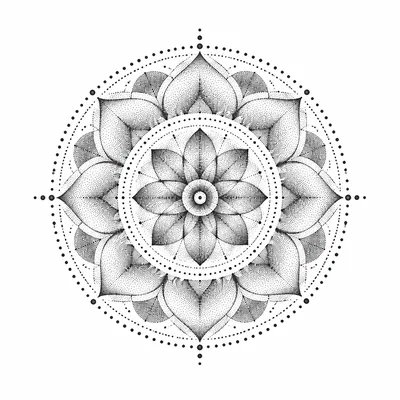
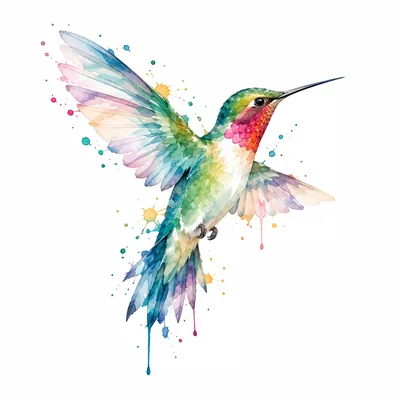
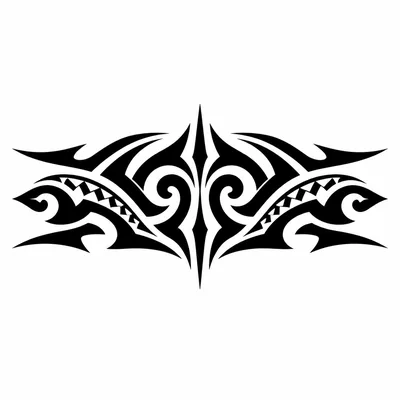
- Fine line, blackwork, traditional, Japanese, realism, watercolour and 18 more
- 12 placements, each with its real centimetre range
- Eight special styles — ignorant, chicano, woodcut, trash polka — on Pro
- Save a look of your own and reuse it on every design
Tattoo generator from a photo
Some ideas do not survive being described in words. A pet that died, a handwritten note, a childhood drawing, a place you keep going back to — for those, upload the photo and let the generator translate it into tattoo artwork instead of trying to spell it out.
- Pets, portraits, handwriting and children’s drawings
- Keeps the subject recognisable, drops detail skin cannot hold
- Any style for the conversion — fine line, blackwork, realism
- Export the result as a stencil your artist can trace

Names, dates and quotes that stay legible
Lettering is the most requested tattoo and the most commonly regretted one, and the reason is almost always the letterforms rather than the words. A font that looks elegant on screen closes up on skin: hairline serifs disappear, tight counters fill in, and script joins blur together within a few years.
- Script, blackletter, fine serif and brush
- Typeset for ink — heavier strokes, looser spacing than print
- Balanced baseline and consistent joins across the whole phrase
- Preview your phrase in 12 typefaces for free, before you generate
See it on your skin before you commit
A design that looks perfect on a white square can sit completely wrong on a forearm. Proportion changes, curves distort a symmetrical layout, and something that read as bold at thumbnail size turns out to be the size of a business card on your wrist.
- Upload a photo of the exact spot you are considering
- Move, scale and rotate until the size and angle are right
- Judge proportion on a curve instead of on a white square
- Share the preview with your artist before the appointment

Cover-ups, scars, and the gaps in a sleeve
A cover-up follows one rule the original never had: the new design must be darker and denser than what it hides. Old ink does not disappear, it sits underneath, so cover-ups lean on solid blacks, heavy shading and busy compositions, and usually end up two to three times larger than the piece they replace.
- New work runs darker and denser than the ink underneath
- Usually two to three times the size of the piece it replaces
- Rendered onto your photo, so you can judge the coverage
- Filler work to tie separate pieces into one sleeve

Download a print-ready stencil
When you have a design you want to keep, export it as a stencil: clean black linework on white, high contrast, sized in centimetres and ready to print onto thermal transfer paper. This is the file a tattoo artist can actually use, rather than a screenshot they have to redraw.
- Clean black linework on white, contrast pushed for transfer
- Carries the centimetre size from the placement you picked
- Prints at real dimensions, not whatever the printer defaults to
- A file an artist can trace, not a screenshot to redraw

Designed to be tattooable, not just pretty
The common complaint from tattoo artists about AI designs is fair: a lot of them cannot be tattooed. Detail gets packed so densely that it would close up into a solid patch within a year, line weights are inconsistent, and a design meant for a finger contains more detail than fits on a thigh.
None of this makes an artist unnecessary. It makes the reference you hand them worth working from.
- Each style carries its own line weight and fill rules
- Fine line means genuinely unshaded strokes, not a filter
- Wrist designs composed for 3–7cm, not shrunk from a back piece
- Detail density kept to what skin still holds in ten years

Who it is for
Who this is for
Getting your first tattoo
Try ideas without pressure and find out what you actually want before you are sitting in a chair paying by the hour.
Adding to a collection
Design filler that matches what you already have, or plan how the next piece fits with the rest.
Covering something up
Design over an old tattoo or a scar and see whether the new piece really covers it before you book.
Tattoo artists
Generate directions for a client in a consultation, then convert the agreed design into a clean stencil.
FAQ
Frequently asked questions
Is this AI tattoo generator free?
Creating an account is free and comes with starter credits — one credit draws one design at full resolution. Free downloads carry a small watermark; a paid plan removes it and unlocks the special styles and stencil exports.
Do I need to sign up?
No. The generator works immediately — no account, no email, no card. Signing in only becomes useful when you want your designs saved across devices.
Can a tattoo artist actually use these designs?
Yes, and that is the point. Export a stencil and you get clean, high-contrast linework sized in centimetres, which is what an artist prints onto transfer paper. Most artists will still adjust the composition to your anatomy — that part is their job, and it is worth paying for.
Who owns the tattoo designs I create?
You do. Designs you generate are yours to get tattooed and yours to keep. Paid plans add a commercial licence if you want to use the artwork beyond your own skin.
What tattoo styles are supported?
Twenty-four, including fine line, blackwork, traditional, neo traditional, Japanese, realism, black and grey, minimalist, geometric, dotwork, watercolour, tribal and anime. Eight special styles — ignorant, chicano, woodcut, 3D effect, trash polka, micro realism, cyber sigilism and biomechanical — are part of the paid plan.
What happens to the photos I upload?
Photos you upload for try-on or photo-to-tattoo are used to produce your result and then deleted within 24 hours. They are never used for training and never made public.